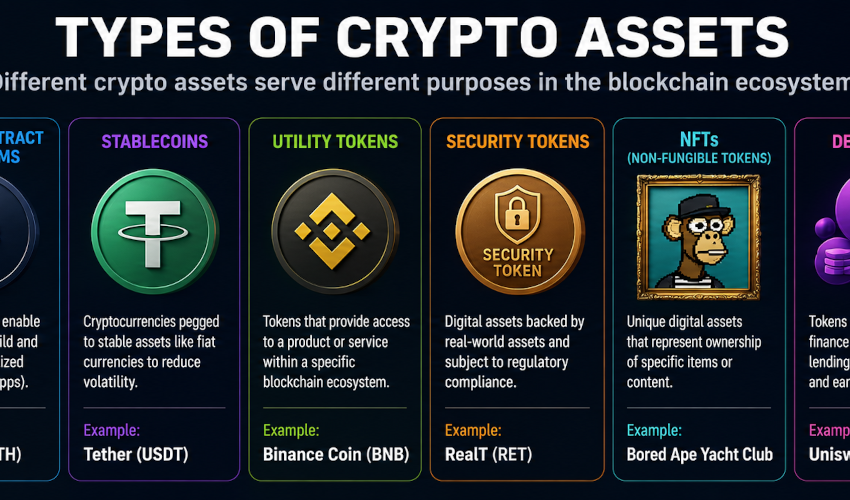
Cryptocurrency: An In-Depth Overview
Cryptocurrency has reshaped the financial landscape, creating new opportunities and challenges for investors worldwide. As digital assets continue to influence global markets, understanding their fundamentals is crucial for making informed investment decisions. In the realm of digital finance, forex trading Thailand has also gained popularity, providing traders with opportunities to engage in the dynamic currency exchange market. This article explores the basics of cryptocurrency, its market impact, and key considerations for investors.
What is Cryptocurrency?
Cryptocurrency is a digital or virtual form of currency that uses cryptography for security. Unlike traditional currencies issued by governments, cryptocurrencies operate on decentralized platforms based on blockchain technology.
Key Features
- Decentralization: Operates without a central authority.
- Security: Uses cryptographic techniques to secure transactions.
- Transparency: Transactions are recorded on a public ledger.
- Limited Supply: Many cryptocurrencies have a capped supply.
Blockchain Technology
Blockchain is the underlying technology behind most cryptocurrencies. It is a distributed ledger that records all transactions across a network of computers.
How It Works
- Transaction Initiation: A user initiates a transaction.
- Verification: Network nodes verify the transaction.
- Block Formation: Verified transactions are grouped into a block.
- Addition to Ledger: The block is added to the blockchain.
- Completion: The transaction is completed and recorded.
Major Cryptocurrencies
Several cryptocurrencies dominate the market, each with unique features and use cases.
Bitcoin (BTC)
Bitcoin is the first and most well-known cryptocurrency. It serves as a digital alternative to traditional currencies and a store of value.
Ethereum (ETH)
Ethereum introduced smart contracts, enabling decentralized applications (dApps) to run on its platform.
Ripple (XRP)
Ripple focuses on facilitating real-time, cross-border payment systems for financial institutions.
Investing in Cryptocurrency
Investing in cryptocurrency involves buying and holding digital assets with the expectation of future value appreciation.
Strategies
- HODLing: Long-term holding of cryptocurrencies.
- Trading: Buying and selling assets frequently to capitalize on market volatility.
- Staking: Participating in network operations to earn rewards.
Risks
- Volatility: Prices can fluctuate widely.
- Regulatory Uncertainty: Changing laws can impact market dynamics.
- Security Threats: Vulnerabilities in exchanges and wallets.
Cryptocurrency and Traditional Markets
Cryptocurrency markets often interact with traditional financial markets, influencing and being influenced by them.
Correlation with Stock Markets
Cryptocurrencies can show varying degrees of correlation with traditional markets like the S&P 500. During times of economic uncertainty, cryptocurrencies may behave differently from stocks, providing diversification opportunities.
Forex Trading and Cryptocurrency
For those interested in forex trading in Thailand, integrating cryptocurrency can enhance trading strategies. Cryptocurrencies offer alternative investment avenues beyond traditional currency pairs.
Regulatory Landscape
Governments worldwide are developing frameworks to regulate cryptocurrency activities.
Key Considerations
- Anti-Money Laundering (AML): Regulations to prevent illicit activities.
- Know Your Customer (KYC): Requirements for verifying user identities.
- Taxation: Guidelines on how cryptocurrency gains are taxed.
International Perspectives
Regulatory approaches vary globally, impacting cryptocurrency adoption and innovation. Staying informed about local regulations is crucial for investors and businesses.
Security in Cryptocurrency
Ensuring the security of cryptocurrency holdings is paramount.
Best Practices
- Use Secure Wallets: Choose reputable wallets with strong security features.
- Enable Two-Factor Authentication (2FA): Adds an extra layer of protection.
- Regularly Update Software: Keeps systems protected against vulnerabilities.
- Beware of Phishing Scams: Vigilance against deceptive attempts to steal information.
High-Trust Resources
For comprehensive security guidelines, refer to reputable sources like Coinbase’s security tips.
Future of Cryptocurrency
The cryptocurrency landscape is continually evolving, with potential developments shaping its future.
Technological Advancements
Innovations such as layer-2 solutions and improved consensus mechanisms aim to enhance scalability and efficiency.
Mainstream Adoption
Increased acceptance by businesses and financial institutions could drive broader usage and integration into everyday transactions.
Central Bank Digital Currencies (CBDCs)
Governments are exploring CBDCs, digital versions of national currencies, which may coexist with or influence the cryptocurrency market.
Conclusion
Cryptocurrency represents a significant shift in how we perceive and use money. Its decentralized nature, coupled with blockchain technology, offers new possibilities for financial transactions and investments. However, it also poses challenges related to security, regulation, and market volatility. Understanding these dynamics is essential for anyone navigating the cryptocurrency landscape.
For further information, reliable resources such as Investopedia and official cryptocurrency websites provide valuable insights and updates.