From Bitcoin to Blockchain: Writing a Dissertation on Cryptocurrency Trends
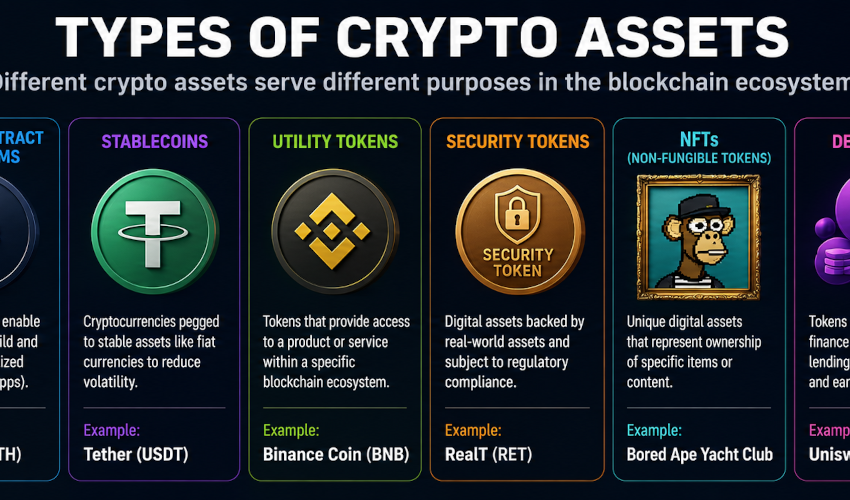
Cryptocurrency and blockchain technology have become some of the most discussed topics in finance, technology, and even social sciences. With Bitcoin leading the way, these digital innovations are reshaping economies and industries worldwide. For students, this presents a unique opportunity to explore groundbreaking research areas for a dissertation.
If you’re unsure about how to structure your dissertation or integrate cryptocurrency into your research, you can find helpful resources on https://scriptie-laten-schrijven.com/. It provides valuable advice to guide you through the writing process.
1. Why Cryptocurrency Trends Make a Great Dissertation Topic
The rapid evolution of cryptocurrency and blockchain technology makes it a fertile ground for academic research. Here’s why you should consider it for your dissertation:
- Interdisciplinary Appeal: Cryptocurrency combines elements of economics, computer science, and sociology, making it a versatile topic that appeals to various academic disciplines.
- Relevance: With cryptocurrencies like Bitcoin and Ethereum influencing global markets, your research will remain timely and impactful.
- Abundance of Resources: From whitepapers and technical documentation to news articles and scholarly journals, there’s a wealth of material available for analysis.
- Emerging Challenges: Topics such as regulatory issues, environmental impacts, and blockchain scalability offer ample scope for original research.
2. Choosing Your Dissertation Focus
Cryptocurrency trends encompass a wide range of potential research areas. Narrowing down your focus is crucial for creating a manageable and impactful dissertation.
- Economic Impact: Explore how cryptocurrencies influence global markets, challenge traditional banking systems, or affect monetary policies.
- Blockchain Applications: Study how blockchain technology is applied beyond cryptocurrency, such as in supply chain management, healthcare, or voting systems.
- Regulatory and Ethical Challenges: Analyze the role of governments in regulating cryptocurrency or delve into ethical questions surrounding its use, such as fraud and money laundering.
- Environmental Concerns: Investigate the environmental footprint of cryptocurrency mining and potential solutions, like proof-of-stake protocols.
- Adoption and Societal Impact: Research the factors influencing cryptocurrency adoption in different regions or demographics and its societal implications.
3. Conducting Research on Cryptocurrency

Once you’ve selected your focus, the next step is gathering and analyzing relevant data. Cryptocurrency research often involves both qualitative and quantitative methods.
- Primary Data Sources:
- Use blockchain explorers (e.g., Etherscan) to collect transaction data.
- Conduct surveys or interviews with cryptocurrency users, miners, or industry experts.
- Secondary Data Sources:
- Review whitepapers, such as Satoshi Nakamoto’s Bitcoin whitepaper, to understand the foundational principles.
- Use academic journals, news outlets, and reports from organizations like the World Economic Forum or the IMF.
- Analyzing Data:
- For economic or market-focused dissertations, use statistical software like Python, R, or MATLAB to analyze trends.
- For qualitative analysis, employ frameworks like thematic coding to interpret interviews or literature reviews.
- Staying Updated: Cryptocurrency is a rapidly evolving field. Follow trusted news sources, academic conferences, and online forums like Reddit and GitHub to stay informed.
4. Structuring Your Cryptocurrency Dissertation
A clear and logical structure is essential for presenting your research effectively. Below is a general outline tailored to cryptocurrency dissertations:
- Introduction:
- Provide an overview of cryptocurrency and blockchain technology.
- Highlight the relevance of your chosen focus area and present your research question.
- Literature Review:
- Summarize existing studies on cryptocurrency trends.
- Identify gaps in the research and how your work addresses them.
- Methodology:
- Explain your data collection and analysis methods.
- Justify why these methods are appropriate for your research goals.
- Findings and Discussion:
- Present your results, whether quantitative data analysis or qualitative insights.
- Discuss the implications of your findings in the context of existing research.
- Conclusion and Recommendations:
- Summarize your key findings.
- Offer recommendations for policymakers, businesses, or further research.
5. Tips for Writing a Dissertation on Cryptocurrency Trends
Here are some practical tips to make your dissertation stand out:
- Keep It Simple: Cryptocurrency can be complex, so explain technical terms clearly for readers who may not have a technical background.
- Focus on Originality: Highlight unique insights or approaches that differentiate your research from existing studies.
- Leverage Visuals: Use graphs, charts, and infographics to present data and make complex trends more accessible.
- Address Limitations: Acknowledge any limitations in your research, such as data availability or scope constraints, and suggest how future studies might address them.
- Edit Thoroughly: Cryptocurrency trends are dynamic, so ensure your work is accurate, up-to-date, and free of errors.
Conclusion
Writing a dissertation on cryptocurrency trends is a rewarding challenge that allows you to explore a cutting-edge field with real-world applications. By narrowing your focus, conducting thorough research, and presenting your findings clearly, you can contribute valuable insights to the academic and professional discourse on cryptocurrency and blockchain technology. Start planning your research today to uncover the potential of this transformative field.