The Impact of Cryptocurrency on Global Finance: Opportunities and Challenges
Cryptocurrency has rapidly emerged as a disruptive force in global finance, challenging traditional systems and creating new possibilities. From decentralized banking to cross-border transactions, cryptocurrencies like Bitcoin, Ethereum, and others are reshaping the financial landscape. However, their rise also comes with significant challenges, such as regulatory concerns and market volatility.
1. Opportunities Created by Cryptocurrency in Global Finance
Cryptocurrency presents a range of opportunities that promise to revolutionize how financial systems operate.
- Decentralization and Accessibility:
- Cryptocurrencies operate on decentralized networks, eliminating the need for intermediaries like banks.
- This decentralization enables financial inclusion for millions of unbanked individuals worldwide, especially in developing regions where access to traditional banking is limited.
- Cross-Border Transactions:
- Cryptocurrencies facilitate fast and cost-effective international money transfers.
- Unlike traditional systems that rely on intermediaries and can take days, blockchain-based transactions are completed within minutes.
- Lower Transaction Costs:
- Without banks or payment processors acting as middlemen, transaction fees are significantly reduced.
- This makes cryptocurrencies attractive for businesses and individuals seeking cost-effective payment solutions.
- Tokenization of Assets:
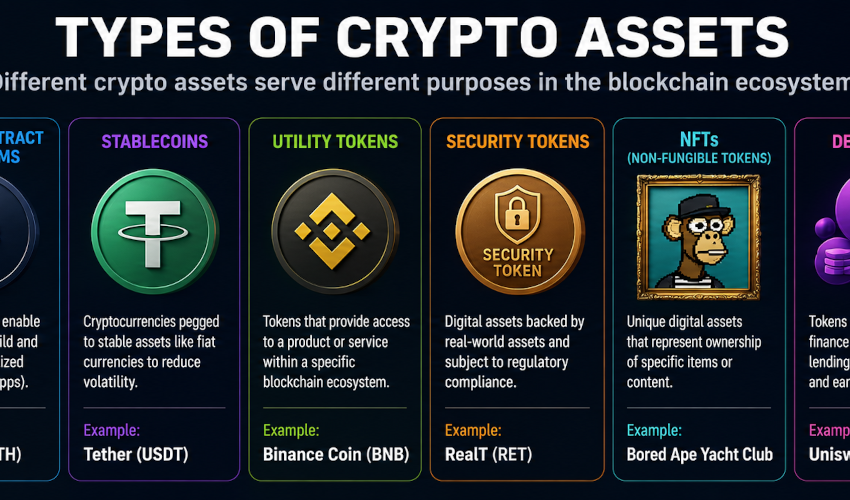
- Blockchain technology enables the tokenization of real-world assets, such as real estate or art, allowing fractional ownership.
- This democratizes access to investment opportunities and provides liquidity for traditionally illiquid assets.
- Innovation in Financial Products:
- Cryptocurrencies are driving innovation in areas like decentralized finance (DeFi), which offers lending, borrowing, and trading services without intermediaries.
- Non-fungible tokens (NFTs) have also opened new avenues for monetizing digital content and intellectual property.
2. Challenges Faced by Cryptocurrency in Global Finance
While cryptocurrency offers immense potential, it also faces significant challenges that hinder its widespread adoption.
- Regulatory Uncertainty:
- Governments worldwide are still grappling with how to regulate cryptocurrencies.
- The lack of clear regulations creates uncertainty for investors and businesses, potentially stifling innovation.
- Market Volatility:
- Cryptocurrencies are known for their price volatility, which makes them risky as both an investment and a medium of exchange.
- Sudden price swings can deter businesses from accepting cryptocurrency payments and create instability in the market.
- Environmental Concerns:
- The energy-intensive nature of cryptocurrency mining, particularly for proof-of-work currencies like Bitcoin, has raised environmental concerns.
- Efforts to transition to more sustainable consensus mechanisms, like proof-of-stake, are underway but not yet universal.
- Security and Fraud Risks:
- Despite the security of blockchain technology, the cryptocurrency space is vulnerable to hacking, scams, and fraud.
- High-profile exchange hacks and fraudulent initial coin offerings (ICOs) have highlighted the need for stronger safeguards.
- Adoption Barriers:
- Limited understanding of cryptocurrency among the general population slows adoption.
- Additionally, technical challenges, such as wallet management and private key security, can deter potential users.
3. Cryptocurrency’s Role in Shaping the Future of Global Finance

Despite the challenges, cryptocurrencies continue to shape the future of global finance.
- Central Bank Digital Currencies (CBDCs):
- Many countries are exploring the development of CBDCs, which combine the benefits of digital currency with government oversight.
- CBDCs could offer a middle ground between decentralized cryptocurrencies and traditional fiat currencies.
- Financial Inclusion Initiatives:
- Cryptocurrencies are enabling financial services for underserved populations, providing tools for saving, lending, and transferring money in regions with limited banking infrastructure.
- Transforming Remittances:
- For migrant workers, cryptocurrencies offer a cheaper and faster alternative to traditional remittance services, reducing fees and increasing convenience.
- Smart Contracts and Automation:
- Smart contracts, powered by blockchain technology, are streamlining processes like insurance claims, supply chain management, and legal agreements.
- Automation reduces costs and increases transparency, benefiting industries beyond finance.
4. Balancing Opportunities and Challenges
To fully realize the potential of cryptocurrencies in global finance, it is essential to address the challenges while capitalizing on their opportunities.
- Regulatory Frameworks:
- Governments and international organizations must establish clear and balanced regulations to foster innovation while protecting consumers and investors.
- Collaboration between regulators and the crypto industry can help create a sustainable ecosystem.
- Sustainability Initiatives:
- Transitioning to energy-efficient consensus mechanisms and promoting renewable energy use in mining can address environmental concerns.
- Encouraging green crypto projects will enhance the industry’s reputation and sustainability.
- Education and Awareness:
- Increasing public awareness about cryptocurrency’s benefits and risks can drive broader adoption.
- Educational initiatives, both at institutional and grassroots levels, can demystify cryptocurrency for the average user.
- Security Enhancements:
- Strengthening security protocols and developing more user-friendly wallets can reduce fraud and make cryptocurrencies accessible to a wider audience.
Conclusion
Cryptocurrencies have introduced a new paradigm in global finance, offering transformative opportunities while presenting significant challenges. As the industry evolves, striking a balance between innovation and regulation will be critical to realizing its full potential. By addressing hurdles like volatility, environmental impact, and security concerns, cryptocurrencies can reshape global financial systems for the better. The future of finance is being written on the blockchain, and its success depends on how these opportunities and challenges are navigated.